Posted On: December 23, 2025
Firefighting demands a level of preparedness unmatched in most professions. A firefighter must master complex technical knowledge, maintain operational proficiency, and remain mentally sharp in high-risk environments. Training is the foundation of this readiness. But “training” is not a single concept. It consists of two distinct but complementary components: didactic instruction and drill night, hands-on training. These two forms serve different purposes, develop different competencies, and build the well-rounded firefighter every department depends on.
Didactic training is structured, instructional learning—classroom sessions, lectures, presentations, tabletop exercises, written assessments, and formal education modules. This is where firefighters learn the “why” behind the “how.”
Core focuses include:
This type of training ensures firefighters have the theoretical understanding needed to make split-second decisions during operations. A firefighter who understands modern fire dynamics, structural collapse indicators, lithium-ion battery behavior, or hazmat plume modeling will perform more safely and effectively on scene.
Didactic training is also where updates from NFPA, OSHA, NYS DOH, and other governing bodies are communicated. This ensures crews remain compliant with evolving regulations and operational mandates.
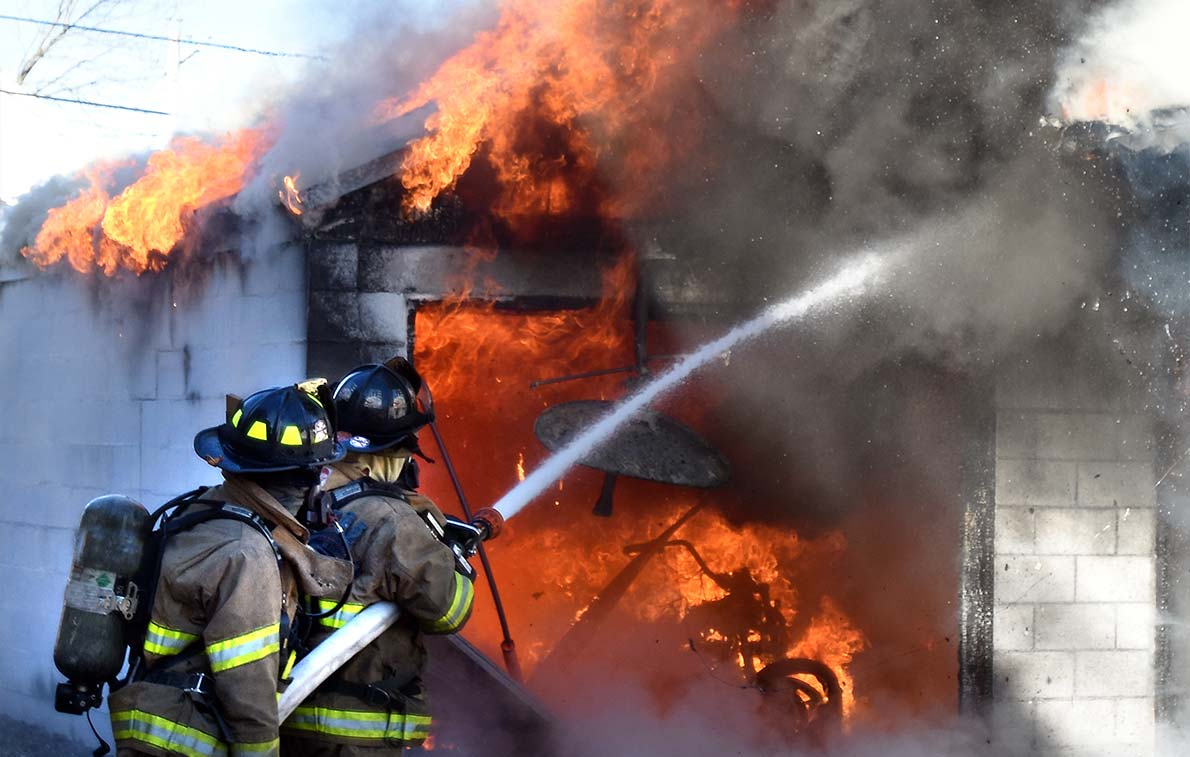
Drill-night training is hands-on, physically executed skill development. It is the work firefighters perform in turnout gear, on apparatus floors, on training grounds, in burn buildings, or in designated drill spaces.
Core components include:
Drill nights reinforce muscle memory. They build the physical confidence required to function under fatigue, heat, low visibility, stress, and rapidly deteriorating conditions. Without routine hands-on repetition, skill degradation is inevitable—especially in volunteer departments with lower call volumes.
Skill competency depends on both knowledge and practice. A firefighter cannot operate safely with only classroom knowledge or only hands-on skills.
Balanced training ensures:
Departments increasingly document time-to-task metrics:
Didactic training should follow a steady rhythm so firefighters keep their decision-making sharp, not just their hands. Most departments do this monthly, while some use longer quarterly sessions for deeper topics. Each cycle should rotate through the knowledge that supports safe operations:
At least once per year, schedule a formal update day for SOP/SOG changes, hazmat awareness, ICS expectations, and OSHA/NFPA-driven safety requirements. Tie classes to real recent calls or near-misses, and close with a short quiz or scenario that feeds into the next drill night.
Drill nights are where knowledge becomes performance. To prevent skill fade, hands-on training should happen weekly when staffing allows, or biweekly if consistency is maintained. Each drill should be built around one or two clear objectives, with realistic setups and coaching. Over the year, every firefighter training should re-demonstrate high-risk, high-frequency skills such as:
Whenever safe, train in full PPE/SCBA and add realism (low visibility, time pressure, and teamwork). Finish with a quick after-action review and note who needs refreshers.
An annual competency review confirms that training is producing real readiness and gives officers a clear map for next year’s priorities. This review should combine three parts: a knowledge check, a skills evaluation, and an officer debrief. The written or online portion should cover SOP/SOG understanding, ICS roles, hazard awareness, and core fireground theory. Practical stations should verify the essentials:
Use standardized checklists and clear pass/needs-refresh criteria so evaluation is fair across crews. Afterward, each member gets brief feedback on strengths and required follow-ups. Document results for compliance, liability protection, and promotion readiness, and use trends to shape the next training calendar.
Integrating Training With Operational Needs
Firefighter competency relies on the deliberate balance of didactic instruction and drill-night training. Each serves a different purpose, but both ensure firefighters operate safely and effectively under extreme conditions. Modern departments must separate these components in planning, documenting them distinctly, and evaluating them with equal seriousness. Workplace safety and compliance training is the backbone of firefighter safety and community protection.